CV axle wear rarely feels the same in every vehicle. One driver may first hear clicking while turning into a parking space, while another notices a shudder during acceleration or a clunk when getting back on the throttle.
Those differences come from the design of the inner and outer CV joints and the type of wear developing inside them. Recognizing the pattern can help separate axle trouble from tire, suspension, wheel bearing, or engine mount problems that can create similar sensations.
Clicking During Turns Often Points to an Outer CV Joint
One of the most familiar CV axle symptoms is a repetitive clicking or popping sound while making a tight turn. The noise often becomes easier to hear when accelerating with the steering wheel turned sharply.
The outer CV joint operates at a greater angle during turns, which places more load on worn internal surfaces. As the joint develops wear, its bearings can move through damaged tracks and create the repeated clicking sound. The noise may be quiet at first and gradually become louder as wear increases.
Vibration Under Acceleration Can Come From the Inner Joint
Inner CV joints tend to produce different symptoms. A worn inner joint can create a shudder or vibration that becomes noticeable when accelerating, particularly at moderate or highway speeds.
The vibration may lessen as soon as you release the accelerator because drivetrain load is reduced. This can help distinguish it from a wheel balance problem, which usually follows vehicle speed more consistently whether you are accelerating or coasting.
Vibration should still be inspected rather than blamed automatically on a CV axle. Tires, wheels, engine mounts, driveshaft components, and suspension problems can create similar sensations.
Clunking When the Load Changes Is Another Warning
A worn CV joint may develop enough internal clearance to create a clunk when torque changes direction. You might notice it when shifting into drive or reverse, accelerating after coasting, or getting back on the throttle after slowing down.
That sound can also come from engine or transmission mounts, differential components, suspension bushings, or other drivetrain parts. A technician can check the axle and surrounding components for excessive movement before recommending replacement.
A Torn CV Boot Can Be the Beginning of the Problem
CV joints are packed with specialized grease and protected by flexible boots. Those boots have to keep the grease inside while preventing water, dirt, and road debris from reaching the joint.
When a boot tears, grease can be thrown outward as the axle rotates. You may find dark grease around the inside of a wheel, suspension component, or underside of the vehicle. Once enough grease escapes and contamination enters, wear inside the joint can accelerate.
A torn boot found early does not always mean the complete axle must be replaced. If the joint is still quiet, clean, and free of excessive wear, rebooting and repacking it may still be possible.
Steering Through Tight Turns May Feel Different
As an outer CV joint becomes badly worn, the vehicle may do more than click. You may feel a slight binding, popping sensation, or vibration through the vehicle during tight steering maneuvers.
These symptoms are more concerning because they suggest the joint may be moving poorly rather than simply making noise. A severely worn joint can eventually separate internally or stop transferring torque correctly.
The vehicle should be inspected before continuing to make tight turns or driving long distances with a joint that feels as though it is binding.
Grease Around the Wheel Should Not Be Ignored
A grease-covered wheel well is one of the easier early signs to spot. Because the axle rotates quickly, even a relatively small tear in the boot can sling grease over a wide area.
Common clues include:
- Grease on the inside of the wheel
- Grease around the strut or control arm
- A visibly cracked or split CV boot
- Clicking during turns
- Vibration under acceleration
- Clunking during load changes
Finding the damaged boot before the joint begins making noise gives you more repair options. Once the joint has operated dry or contaminated for a long period, replacing the complete axle becomes more likely.
Can a Bad CV Axle Make the Car Pull?
A worn CV axle is not one of the most common causes of a steady steering pull.
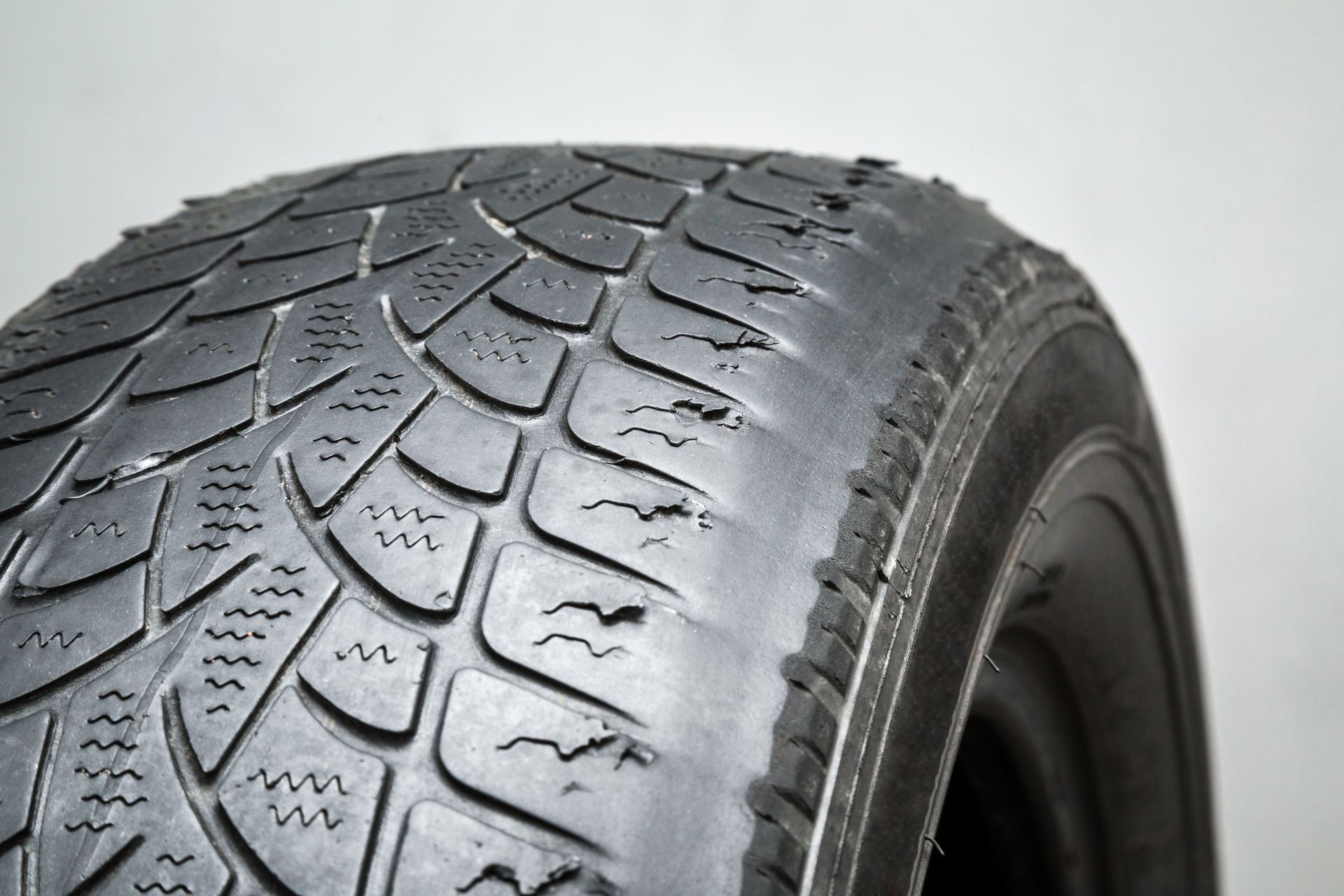
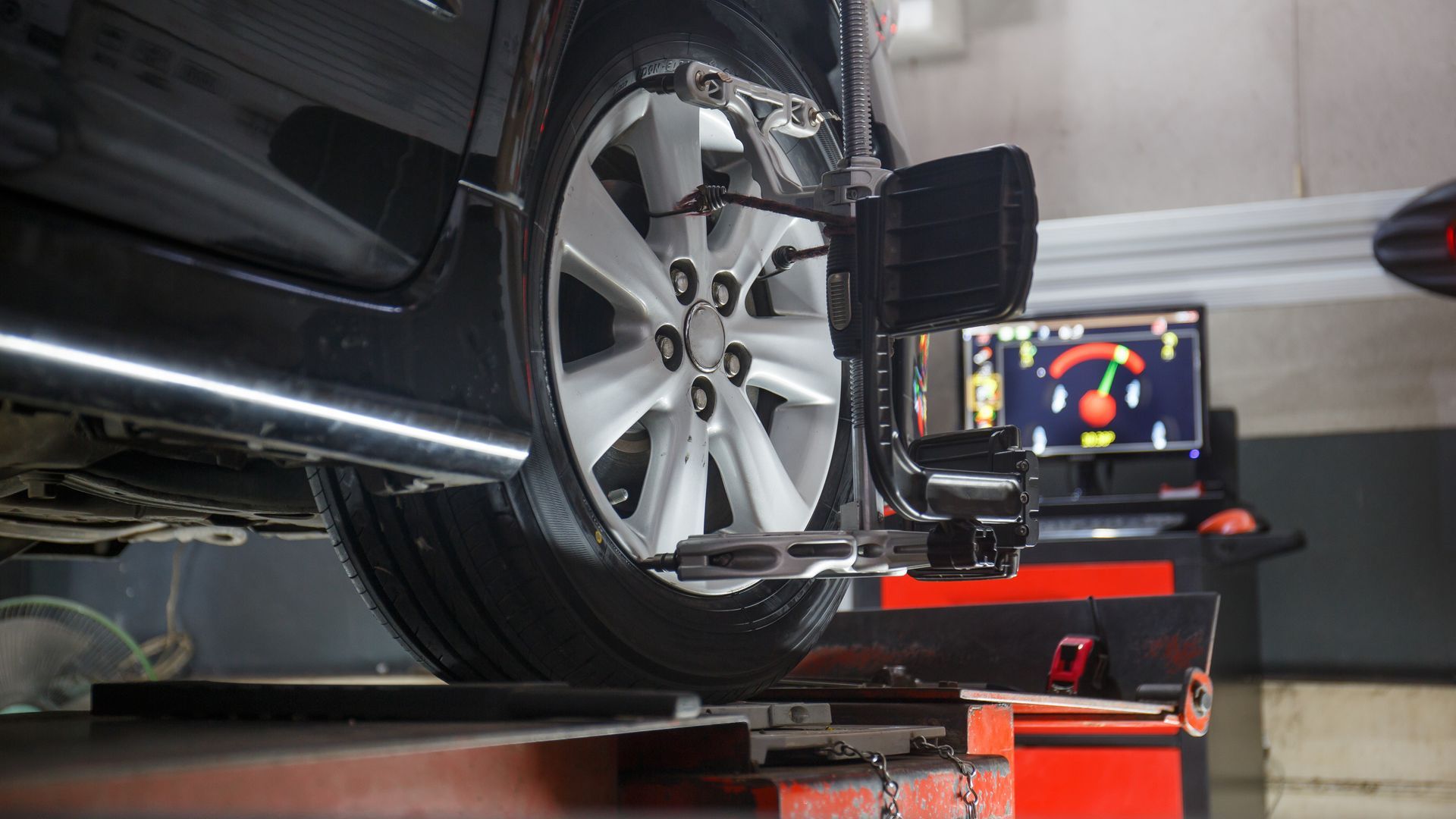
Tire pressure, alignment, tire condition, and brake drag are usually the first places to look.
However, a badly damaged joint that binds under load can make the vehicle feel unusual during acceleration or turning. If the car pulls, shakes, and makes drivetrain noise at the same time, an inspection should include the axles along with the steering, suspension, tires, and brakes.
How Quickly Can a Worn CV Joint Get Worse?
There is no reliable mileage estimate once a CV joint starts making noise. One axle may click for quite some time, while another can deteriorate much faster after a boot tears and the grease is lost.
Driving conditions influence how much stress the joint sees. Tight turns, hard acceleration, rough roads, lifted suspension, and contamination can all add to the load. Waiting for a clicking joint to become extremely loud increases the chance of a complete failure.
What Happens If the CV Axle Finally Breaks?
If the joint separates or the axle shaft fails, the vehicle may suddenly lose the ability to transfer power to the wheel. On many front-wheel-drive vehicles, the engine can still run, and the transmission can still go into gear while the vehicle no longer moves.
A broken axle can also move around underneath the vehicle and damage nearby components.
If the inner end comes out of the transmission, fluid may leak from the axle seal area. At that stage, the vehicle should be stopped safely and transported for repair rather than driven farther.
Get CV Axle Inspection in Raleigh, NC, With Gower's Brake & Alignment
Gower's Brake & Alignment in Raleigh, NC, can inspect CV boots, inner and outer joints, axle shafts, wheel bearings, and related steering and suspension components when clicking, vibration, or clunking begins.
If your vehicle is showing signs of CV axle wear,
contact us to schedule an inspection before the joint reaches the point of complete failure.