Most drivers only glance at their tires from a standing position. You walk up to your car, look down at the visible outside tread, see plenty of rubber left, and assume everything is perfectly fine. It gives you a great sense of peace of mind.
But every once in a while, you might turn your steering wheel all the way to one side while parking, catching a glimpse of the tire from a completely different angle. Suddenly, you notice a terrifying sight. While the middle and outside of the tire look brand new, the very inside edge, the part closest to the engine, is completely bald, smooth, or even showing shiny metal wires.
At our shop, we see this specific wear pattern constantly. It is a sneaky problem because it literally hides out of sight until the tire is on the verge of a dangerous blowout.
When a tire wears down unevenly on just one side, the tire itself isn't the problem. The rubber is simply reacting to an underlying mechanical issue with your vehicle's steering or suspension. Today, we want to look at the three most common culprits that cause inside edge tire wear, explain the physics behind it, and show you how catching it early can save you a fortune.
1. Negative Camber: The Slanted Wheel Problem
The most common cause of inside tire wear is an alignment issue known as negative camber. Picture your vehicle from the direct front. Ideally, your tires should stand perfectly vertical, making flat, even contact with the pavement. Camber refers to the inward or outward tilt of the tire. If the top of the tire tilts inward toward the engine, that is negative camber.
When your wheels lean inward, the vehicle's immense weight is no longer distributed evenly across the entire width of the tread. Instead, the inner shoulder of the tire takes the brunt of the load. As you drive down the highway, that inside edge constantly digs into the asphalt, causing it to bald at an accelerated rate. While a tiny amount of negative camber can improve cornering performance on sports cars, everyday bumps, deep potholes, and hitting curbs will push your commuter car way out of spec.
2. Too Much Toe-Out: The Pigeon-Toed Effect
Another alignment factor that destroys inner tread is excessive toe-out. To understand toe, imagine looking down at your own feet. If you point your big toes away from each other, that is toe-out.
When your vehicle has a toe-out alignment issue, the front edges of your tires are pointing slightly away from each other rather than straight ahead.
As you drive forward, the tires are forced into a constant game of tug-of-war. Instead of rolling smoothly down the street, the wheels are dragged sideways across the pavement. This constant scrubbing action quickly grinds down the inner edge of the rubber. If you combine negative camber with too much toe-out, your tires can completely bald on the inside in a matter of months.
3. Sagging Suspension and Worn-Out Bushings
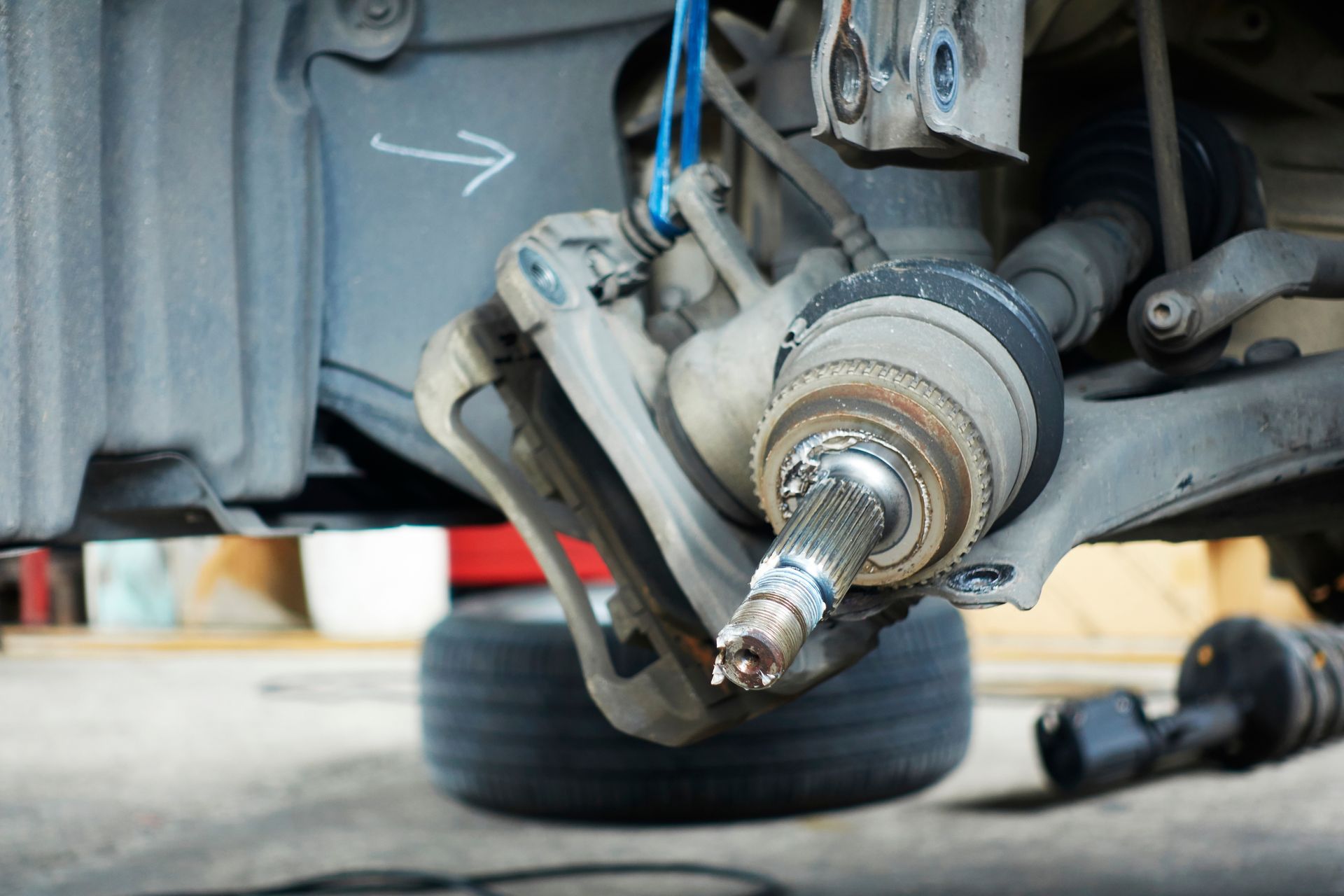
Sometimes, your alignment was set perfectly at a shop, but the physical parts holding your wheels in place are simply wearing out.
Your suspension relies on rubber bushings, ball joints, and control arms to absorb road shock and maintain your wheel angles.
Over years of daily driving, the rubber components rot and split, and metal joints develop loose play.
Worn Control Arm Bushings:
When these rubber cushions degrade, the lower control arm moves out of its factory position, allowing the bottom of the tire to push outward and causing severe negative camber.
Weak Springs and Struts: Over time, your vehicle's metal springs naturally sag. As the ride height drops lower to the ground due to weak suspension, it forces the geometry of the wheels to lean inward, recreating that destructive negative camber loop.
Why You Can't Just Buy New Tires to Fix It
It is incredibly tempting to think that buying a fresh set of tires will solve the problem. However,
if you throw brand-new rubber onto a vehicle with bad alignment or worn suspension, the exact same thing will happen again. The mechanical issue will chew through your expensive new tires just as fast as it did the old ones.
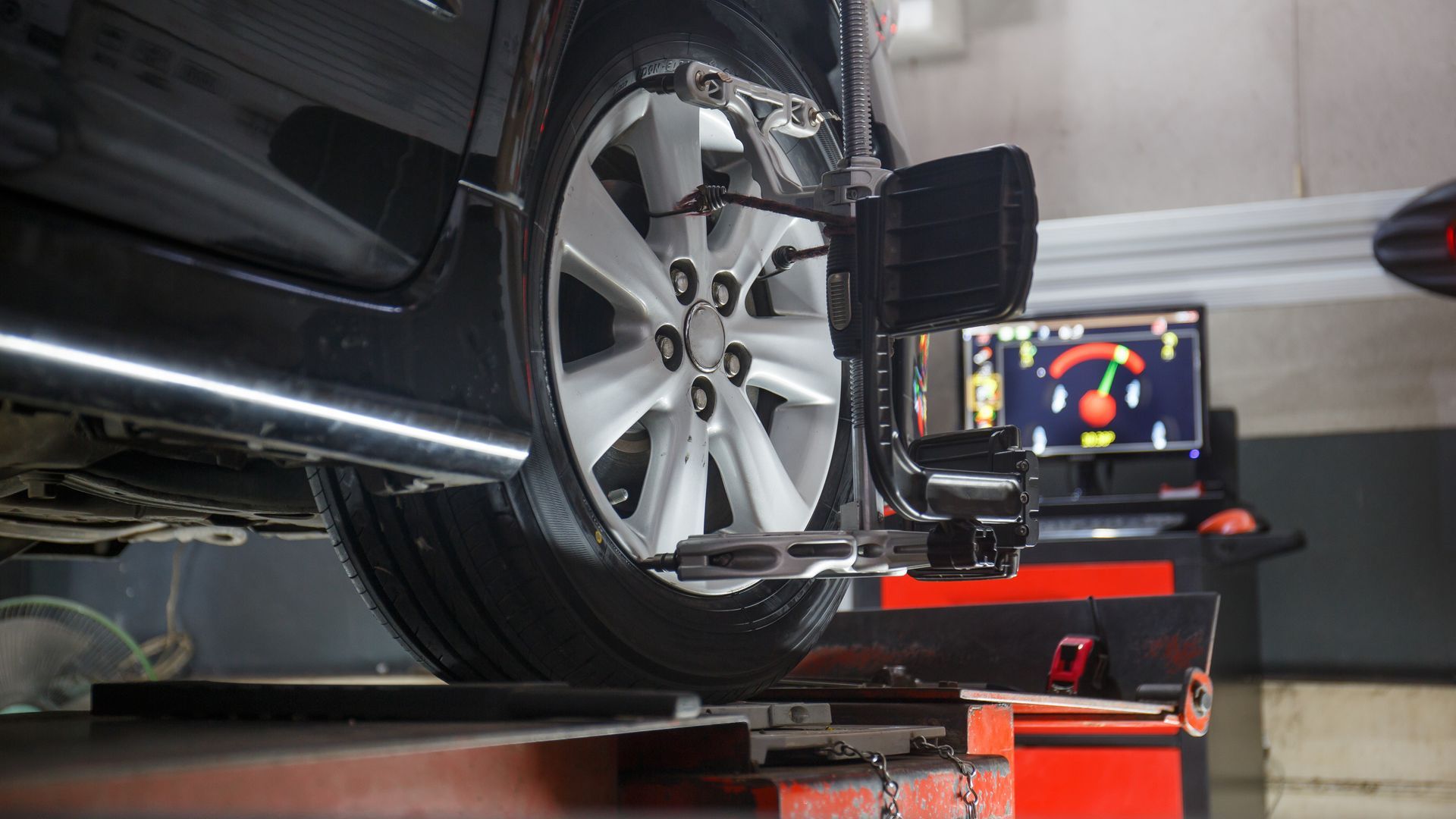
The only permanent fix is to target the root cause. When you bring your car to our garage, we perform a comprehensive check. We inspect your control arms, shake down your ball joints, check your strut towers, and hook your vehicle up to our computerized alignment machine to bring your camber and toe angles back to perfect factory specifications.
Straighten Out Your Ride
Notice your front tires looking a bit thin or smooth on the very inside edge? Do not wait for a dangerous blowout to catch your attention. Stop by
Gower's Brake & Alignment
in Raleigh, NC or
book your comprehensive wheel alignment and suspension inspection online today.