A check engine light gets your attention fast, but when the car still starts, drives, and idles like it always has, you start questioning what the reason is. That disconnect throws a lot of drivers off. If the vehicle feels normal, it is easy to assume the warning is insignificant, temporary, or tied to something that will clear up on its own.
Why The Light Comes On Before You Feel A Problem
Your car’s computer is built to catch trouble early. It continuously monitors fuel mixture, emissions performance, sensor readings, ignition activity, and airflow. When one of those readings falls outside its expected range, the computer stores a fault and turns the light on, even if the problem has not grown large enough to change how the car feels from the driver’s seat.
That early warning is useful because it gives you a chance to deal with a smaller issue before it turns into rough running, poor mileage, hard starting, or a failed emissions test. A check engine light is not guessing. It is responding to something the system has already identified as abnormal, and that is why an inspection makes sense before symptoms start stacking up.
Common Issues Behind A Check Engine Light
A lot of check engine faults begin quietly. The vehicle still feels steady, but the system has already detected a problem worth flagging.
- A loose, damaged, or leaking gas cap
- An aging oxygen sensor
- A small EVAP leak in the fuel vapor system
- A mass airflow sensor gives incorrect readings
- Spark plugs are worn out and failing
- An emissions valve that is sticking or responding too slowly
Every one of these issues can trigger the light before the car feels weak or rough. That is why the warning should be taken seriously, even when the engine seems fine on your normal drive.
Why The Car Still Feels Fine
Modern engine controls are very good at covering for minor problems. When a sensor starts reporting bad data or a component loses efficiency, the computer will often make adjustments in the background to keep the engine running smoothly. That buys the system some time, but it does not fix the underlying fault.
This is where drivers get caught. The car feels normal for a week or two, so the light gets ignored. Then fuel economy drops, the idle turns rough at stoplights, or the engine starts hesitating under load because the system has reached the limit of how much correction it can make.
A Steady Light Is Different From A Flashing One
The behavior of the light itself tells you a lot. A steady check engine light usually means the problem should be checked soon, though the vehicle is often still drivable. A flashing light is more urgent and often points to a misfire severe enough to damage the catalytic converter if you keep driving.
That difference is important. A steady light does not mean the problem is harmless. It means you still have a window to catch it before it becomes more expensive. During regular maintenance, faults like these are often found early enough to prevent converter damage, poor fuel trim, or more obvious drivability complaints later on.
Why The Trouble Code Is Only The Starting Point
A lot of people assume the code itself tells you exactly which part failed. It does not work that way. The stored code points to the system that is seeing a problem, but it does not always name the root cause with complete accuracy.
For example, an oxygen sensor code does not always mean the oxygen sensor is bad. The real issue could be a vacuum leak, an exhaust leak, weak fuel delivery, wiring trouble, or worn ignition parts affecting combustion. We see this often after someone replaces a part based only on the code, then finds the light comes right back because the actual fault was somewhere else.
What To Watch For Before You Bring It In
Even when the car feels normal, small patterns help narrow things down faster. Pay attention to what changes around the same time the light comes on.
Watch for things like a slight drop in fuel economy, a longer crank before startup, a rougher idle when stopped, a fuel smell, or hesitation when pulling away from a light.
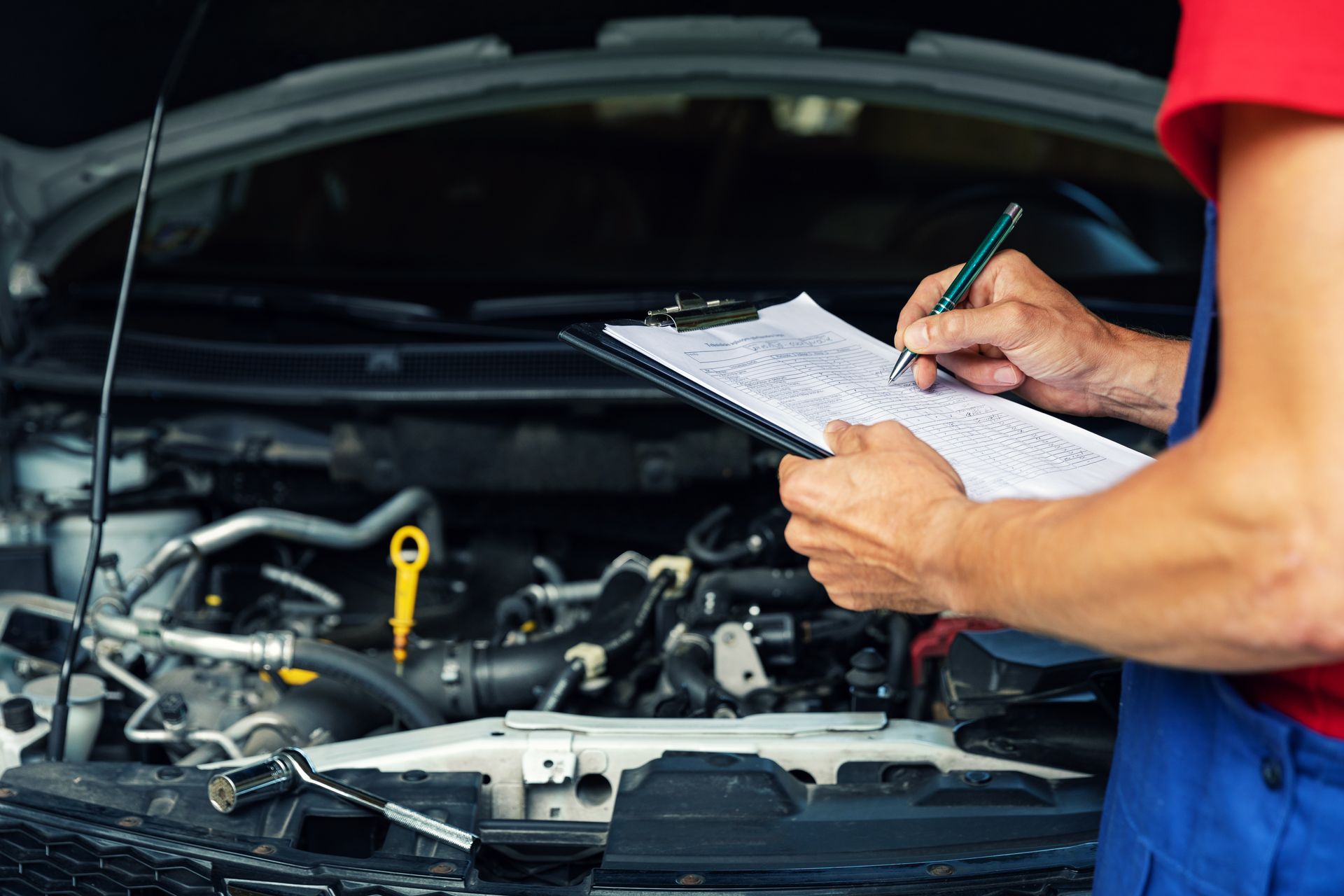
These clues often help connect the warning to the right system before testing even begins. A thorough inspection should include the stored faults, live data, and the conditions that caused the light to turn on in the first place.
Why It Is Smarter To Check It Early
The biggest mistake with a check engine light is waiting until the car forces the issue. Small emissions or sensor faults often grow into performance problems, and performance problems usually cost more once they spread into other systems. What starts as a manageable repair can turn into poor mileage,
catalytic converter damage, or a much more frustrating drivability complaint.
That is why the light deserves attention even when nothing seems wrong yet. The car is giving you an early warning instead of leaving you stranded first. Taking advantage of that warning is usually the cheaper move.
Get Check Engine Light Diagnostic In Raleigh, NC, With Gower's Brake & Alignment
If your check engine light is on and the car still seems to run fine,
Gower's Brake & Alignment in Raleigh, NC, can check the stored faults, inspect the system, and find the cause before that warning turns into a bigger repair.
Bring it in while the issue is still early and easier to correct.