Coolant problems rarely start with steam pouring out from under the hood. Most of the time, it begins with something small. The coolant level drops a little, the temperature gauge runs slightly higher, or you notice the heater is not working quite the same. It can feel easy to ignore, especially if the car still seems to drive fine.
That is where real damage can begin. Driving with low coolant levels puts the engine under stress, and the longer it continues, the higher the risk of serious, expensive repairs.
Why Coolant Is Critical For Engine Health
Coolant regulates engine temperature and prevents overheating. It circulates through the engine, absorbing heat and transferring it to the radiator, where it can dissipate.
Without enough coolant, that process breaks down. Heat builds quickly, and the engine can no longer stay within a safe operating range. That is when components start to suffer.
What Happens As Coolant Levels Drop
Low coolant levels do not always cause immediate failure, but they reduce the system’s ability to control temperature. The engine may start running hotter than normal, especially during traffic, idling, or warm weather.
At first, you might only see the temperature gauge climb slightly. Over time, though, that extra heat can begin affecting seals, gaskets, and internal engine parts.
Overheating Can Lead To Engine Damage
Once overheating becomes severe, the risk increases quickly. Engine components are designed to operate within a specific temperature range. When that range is exceeded, metal parts expand beyond their intended limits.
That can lead to warped cylinder heads, damaged pistons, and failure of critical seals. What started as a low coolant level can quickly turn into a major engine repair if the vehicle is continued to be driven.
Head Gasket Failure Is A Common Result
One of the most serious outcomes of driving with low coolant is head gasket failure. The head gasket seals the engine block and cylinder head, keeping coolant, oil, and combustion pressure separated.
Excess heat can cause the cylinder head to warp, which puts stress on the gasket. Once it fails, coolant and oil can mix, and the engine can lose compression. Repairs at that point are much more involved than addressing a simple coolant issue early.
Water Pump And Cooling System Stress
Low coolant also puts extra strain on the water pump and other cooling system components. The system is forced to work harder with less fluid, which can accelerate wear.
That added stress can lead to pump failure, leaks, or damage to hoses and other parts. Addressing coolant levels early helps protect the entire system, not just the engine.
Warning Signs You Should Not Ignore
Low coolant usually comes with signs that drivers can catch if they are paying attention.
These include a rising temperature gauge, coolant warning lights, visible leaks, or a sweet smell coming from the engine area.
Other signs may include reduced heater performance or frequent need to top off coolant. These are all reasons to schedule an inspection before the problem gets worse.
Why Topping Off Coolant Is Not A Long-Term Fix
Adding coolant may temporarily restore the level, but it does not fix the cause. Coolant does not disappear on its own. If levels are dropping, there is usually a leak or system issue that needs attention.
Ignoring that cause allows the problem to continue. Over time, the system will lose coolant again, and the same risks will return.
How Regular Maintenance Helps Prevent These Issues
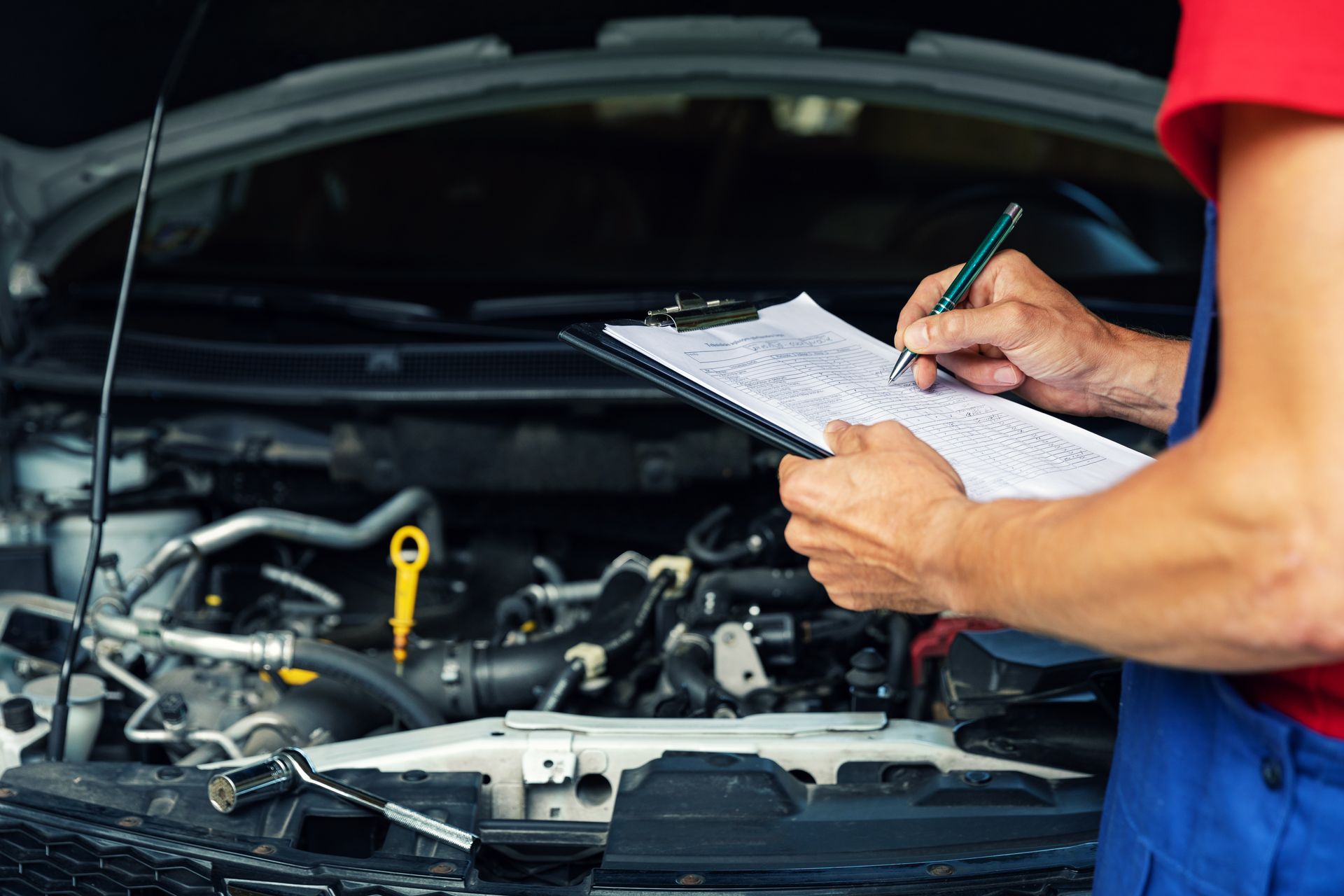
Cooling system service is part of regular maintenance for a reason. Checking coolant condition, inspecting hoses, and monitoring system pressure all help prevent leaks and overheating.
An inspection can catch small issues before they turn into major repairs. That is one of the easiest ways to avoid the damage caused by running low on coolant.
When To Stop Driving And Get Help
If the temperature gauge rises quickly or warning lights appear, it is best to stop driving as soon as it is safe to do so. Continuing to drive while overheating can cause immediate damage.
Even if the temperature drops later, the underlying problem still needs to be addressed. Waiting only increases the chance of a larger repair.
Get Cooling System Service In Raleigh, NC, With Gower's Brake & Alignment
If your coolant level keeps dropping or your engine is running hotter than normal,
Gower's Brake & Alignment in Raleigh, NC, can inspect your cooling system and find the cause before it leads to serious engine damage.
Call today to schedule your inspection and protect your engine from the costly repairs that come with overheating.