Preventative maintenance is one of those phrases drivers hear all the time, but it can still feel vague. It sounds responsible, sure, but what does it actually mean for the car in your driveway? Is it just oil changes, or is there more to it?
The simple answer is that long-term reliability comes from paying attention before the vehicle forces your hand. Cars rarely stay dependable by accident. Fluids age, rubber dries out, tires wear unevenly, brakes lose material, and small leaks start quietly. The sooner those changes are found, the easier they are to manage.
Oil Service Is Still The Foundation
Engine oil has a tough job. It reduces friction, carries heat, helps clean internal parts, and protects moving metal surfaces. When oil gets old, low, or contaminated, the engine loses some of that protection.
Skipping oil service can lead to sludge buildup, timing system wear, oil pressure issues, and increased engine heat. Modern engines can be especially sensitive to oil quality because many use oil pressure to control variable valve timing. Regular maintenance with the correct oil and filter helps prevent problems that are far more expensive than the service itself.
Fluids Age Even When The Car Feels Fine
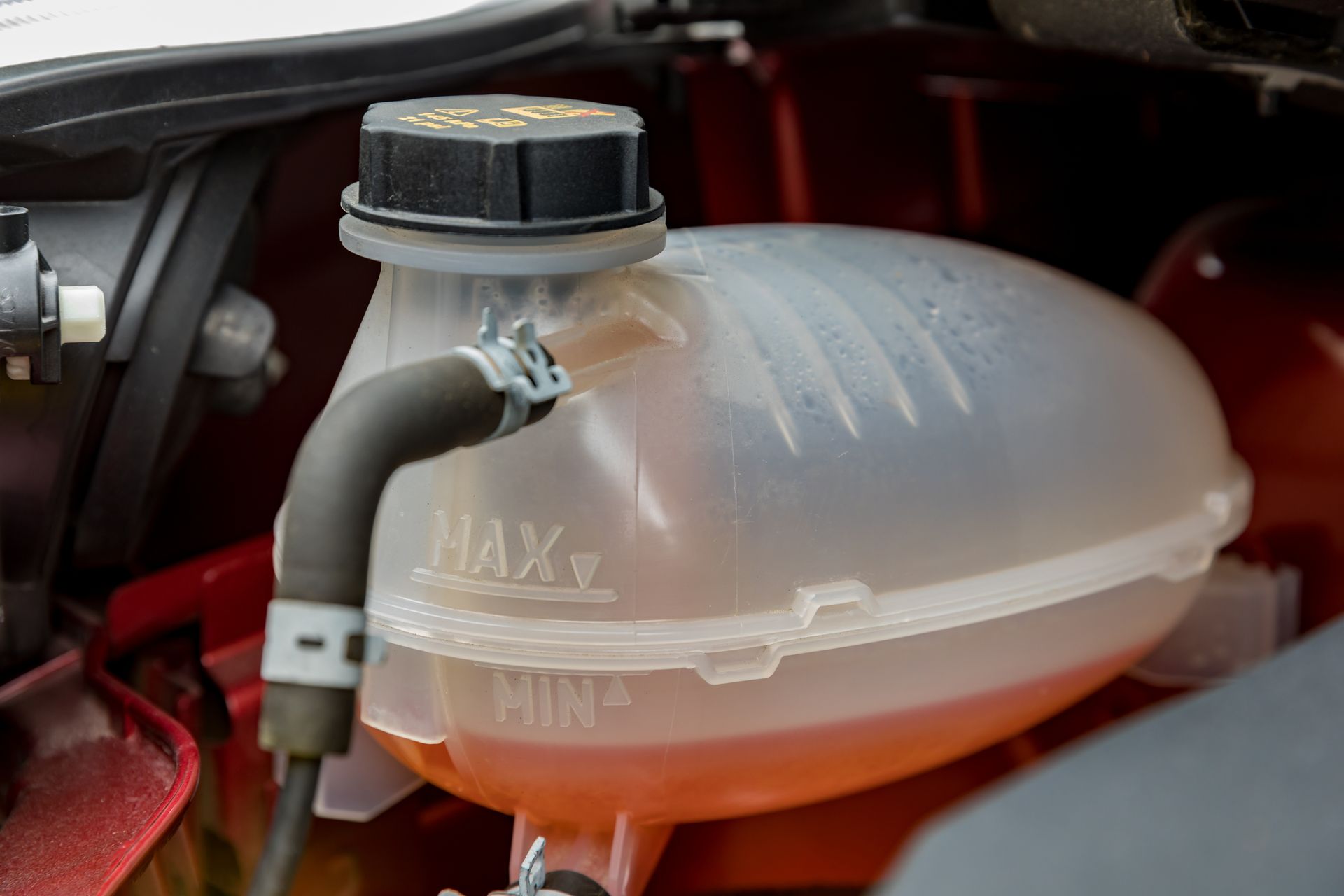
Oil gets most of the attention, but it is not the only fluid that needs care. Coolant, brake fluid, transmission fluid, power steering fluid, differential fluid, and transfer case fluid all have jobs that affect reliability.
Coolant protects the engine from overheating and corrosion. Brake fluid handles hydraulic pressure and absorbs moisture over time. Transmission fluid deals with heat, pressure, and moving parts. Old fluids can still look passable at a quick glance, but they may not protect as well as they should. A good service plan checks the condition, level, leaks, and manufacturer recommendations.
Tires Tell You More Than You Think
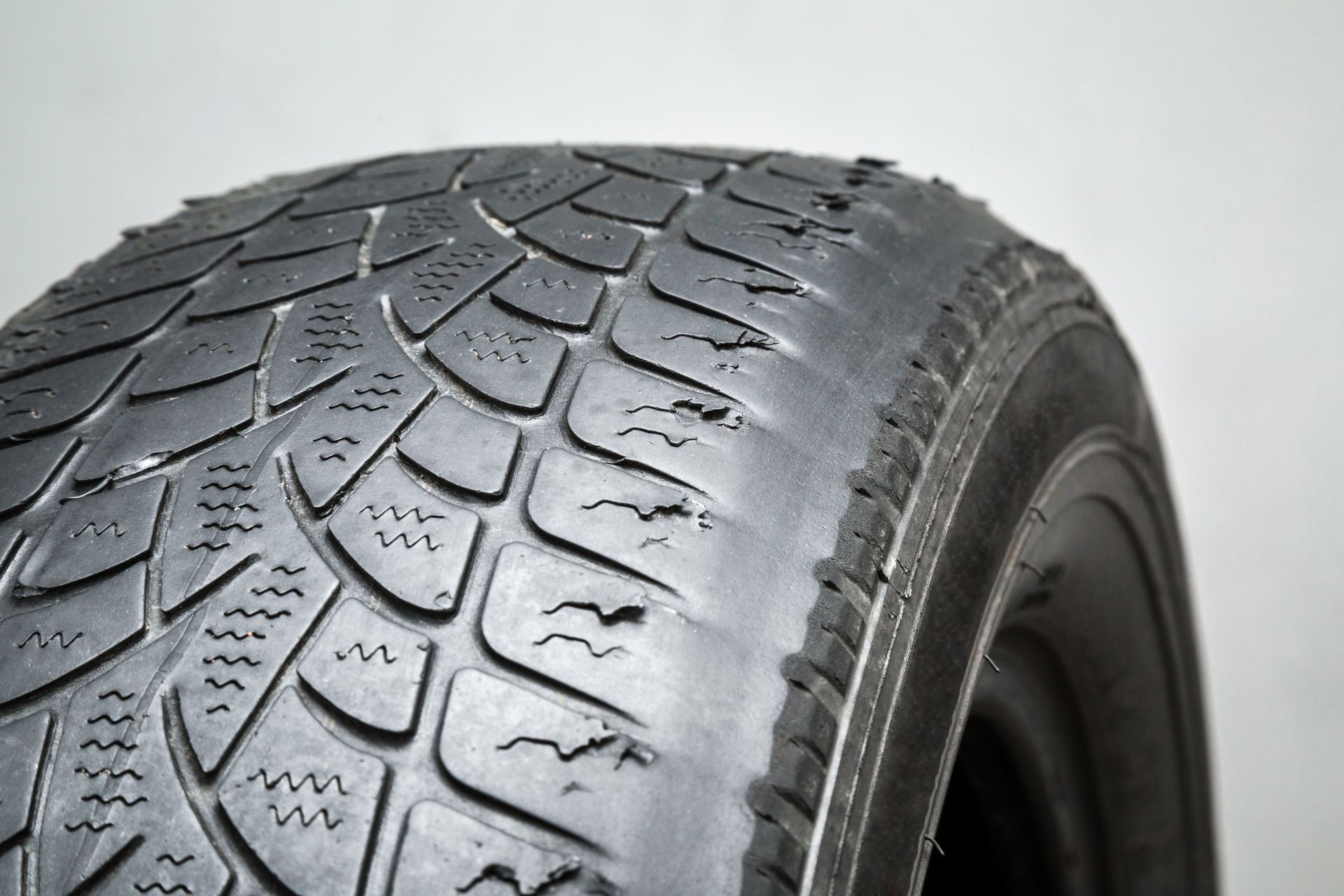
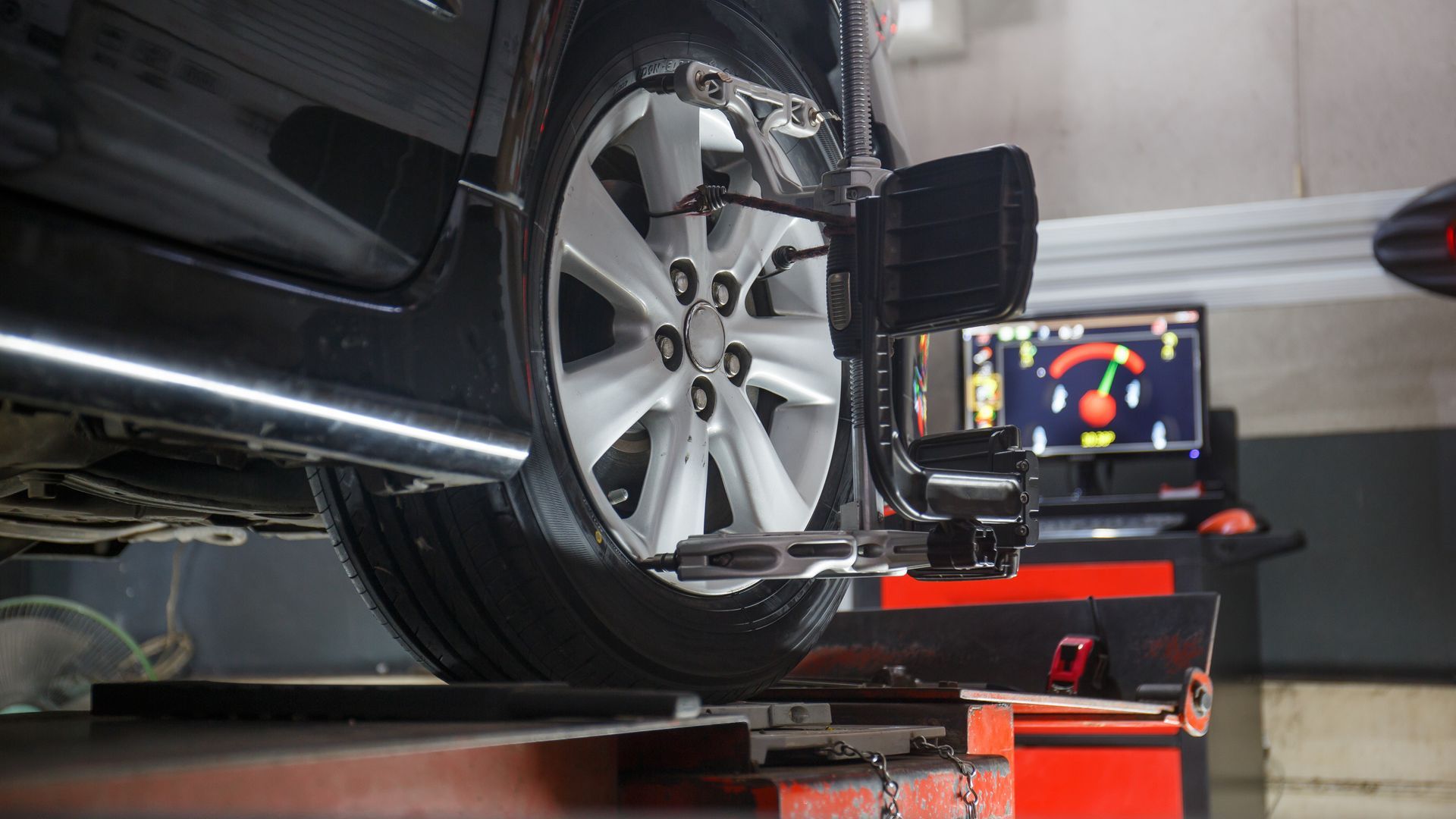
Tires do more than hold air. They show how the vehicle is driving, steering, braking, and sitting on the road. Uneven tread wear can point toward alignment issues, worn suspension parts, poor rotation habits, or incorrect tire pressure.
A vehicle with neglected tires can pull, vibrate, wear tires early, and take longer to stop. Tire age also counts, even when the tread still looks decent. Cracks, bulges, punctures, cupping, and uneven edges should never be brushed aside. Tire checks are one of the easiest ways to catch steering, suspension, and alignment problems early.
Brake Wear Is Not Always Loud
Many drivers wait for squealing or grinding before thinking about brake service. Noise is useful, but brakes do not always warn you that clearly. The pedal may feel lower, the vehicle may take longer to stop, or the steering wheel may shake during braking.
Brake pads, rotors, calipers, hoses, hardware, and fluid all affect stopping performance. A brake inspection can show whether parts are wearing evenly, whether the fluid is in good condition, and whether anything is sticking or leaking. Catching brake wear early can prevent rotor damage and make the repair easier.
Belts, Hoses, And Rubber Parts Age Slowly
Rubber parts live a hard life under the hood. Heat, pressure, vibration, oil exposure, and time all take their toll. Belts can crack, glaze, or stretch. Hoses can soften, swell, collapse, or leak near clamps.
These parts may not look bad until they are close to failure. A small coolant hose leak or a worn belt can lead to overheating, charging problems, power steering trouble, or roadside delays. Checking belts and hoses during routine service gives the shop a chance to spot aging parts before they cause problems.
Warning Lights Should Not Be Treated Like Background Noise
A warning light does not always mean the vehicle is about to break down, but it should not become part of the scenery. Check engine, ABS, battery, oil pressure, temperature, tire pressure, and brake warning lights all deserve attention.
Some lights point to safety concerns. Others can affect fuel economy, emissions, drivability, or long-term wear. A code scan can provide direction, but a real diagnostic is what confirms the cause. Clearing a light without testing only hides the information for a while.
Good Maintenance Records Help You Plan
One overlooked part of preventative care is record-keeping. When you know what was serviced and when, it is easier to avoid missed work or unnecessary repeat service. Records also help a technician understand the vehicle faster when a new symptom appears.
If you bought a used car with little history, start fresh. Check the fluids, brakes, tires, battery, filters, belts, hoses, and mileage-based service items. From there, a practical schedule can be built around the vehicle’s age, mileage, and driving habits in Raleigh.
Get Preventative Maintenance In Raleigh, NC, With Gower's Brake & Alignment
If you want your vehicle to stay dependable for the long run,
Gower's Brake & Alignment
in Raleigh, NC, can help with oil service, tires, brakes, fluids, belts, hoses, warning lights, and routine checks.
For preventive maintenance that helps you plan ahead rather than react to problems, contact us to schedule an appointment.